Free · Live on Zoom

Free Parent Training, Led by a BCBA

Wondering why your child does what they do? Join our free workshop and learn the reasons behind everyday behavior, plus simple tools you can use at home that same day. Open to all parents and caregivers, no diagnosis or referral needed.

What We Cover

Every session is practical and judgment-free. Here is the kind of thing you will walk away with.

Behavior Is Communication

Understand why children do what they do, and what they are really trying to tell you. Once you can read the message, tough moments start to make sense.

Rewards That Actually Work

How to use encouragement and small rewards at home to ease hard moments, and head off meltdowns before they start.

Everyday Moments as Practice

Simple ways to turn everyday routines, like getting dressed or brushing teeth, into easy, low-stress chances for your child to learn and grow.

Building Communication

The building blocks of communication, and easy ways to support your child's, whether that is words, signs, pointing, or a device.

Who It's For

If you have ever felt stuck, worried, or just unsure what to do next, this is for you. The workshops are made for parents and caregivers, whether your child has a diagnosis, is on a waitlist, or you are simply noticing things and wondering what they mean.

  • Completely free, with nothing to buy.
  • No diagnosis or referral required.
  • Plain language, real tools, no jargon.
  • Live on Zoom, with a free intro every six weeks, plus optional follow-ups every two weeks.
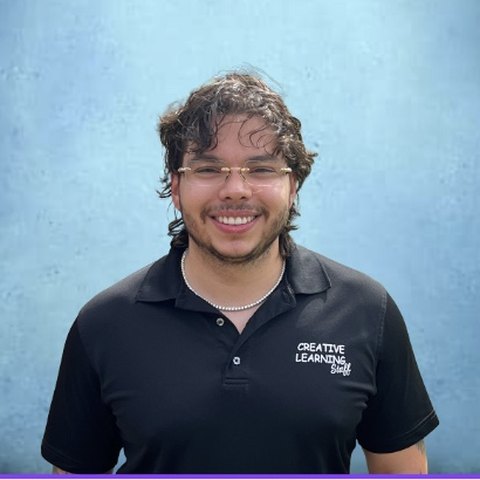
Joshua Levins, BCBA

Your host: Joshua Levins

BCBA, M.S. · Doctoral Student, UCF

Josh is a Board Certified Behavior Analyst who has spent more than 20 years working with children and families on the Space Coast. He is also a doctoral student in Exceptional Education at the University of Central Florida, where his research focuses on early language development, parent training, and early intervention, the very things these sessions are built around. He leads every session himself, in the same plain, practical language he uses with families every day.

Save Your Spot

Start with a free intro webinar, live on Zoom and held every six weeks. If it helps, you can keep going: we run follow-up sessions every two weeks, each on a new topic!

Topics I am Interested in Learning About (optional, helps us plan the follow-up sessions)

We will only use your email to send you parent training details. Offered free in collaboration with the Howard Phillips Center and other local organizations.

Questions We Hear From Parents

A few of the questions that come up most often. These are general tips, not advice about your specific child, and they are the kind of thing we go deeper on, and answer live, in the workshops.

Where do I start if my child was just diagnosed, or if I think something might be going on?

Take a breath first. A diagnosis, or a worry, does not change who your child is; it just opens the door to help. Here is an order that keeps it from feeling overwhelming. If your child is under 3, call your state's early intervention program, which is free and needs no referral. If your child is 3 or older, ask your public school district for a free special education evaluation. Look into speech therapy and ABA, and start learning a little at a time. The most powerful support in your child's life is you, and starting now matters more than waiting.

Do I have to wait for a diagnosis to start helping my child?

No, and this matters because waitlists can run many months. You can begin at home today and often start services on a separate track while you wait. Early intervention for children under 3 and a school district evaluation for ages 3 and up do not require a medical diagnosis. Early, steady support from the people your child is around every day is what helps most.

My child isn't talking much yet. What can I do at home?

Think of language as a skill that grows when there is a reason to use it. One simple shift helps a lot: stop anticipating every need. If your child wants something, hold it for a moment and wait, and treat any attempt, a sound, a reach, or a point, as communicating. Narrate the everyday out loud and look for lots of small back-and-forth moments. Those turn-taking moments, more than just hearing words, are what build language. A speech evaluation is always worth it too.

Will using picture cards or a talking device stop my child from speaking?

This is one of the most common worries, and the research points the other way. Giving your child another way to communicate tends to support speech, not replace it. When a child has a reliable way to be understood, frustration drops, and talking often comes along rather than being held back.

My child talks to us but not to other kids. Should I worry?

It is a pattern we see often, and it does not mean your child will always be this way. Social skills are skills, and they grow with practice and a little setup. Short, structured chances to play near and then with other children, with an adult helping bridge the moments, usually work better than waiting for it to click on its own.

Meltdowns are hardest during transitions and changes. What helps?

A lot of hard moments come from the world changing on a child with no warning. Predictability helps more than almost anything. Show what is coming with a few words or simple pictures, give a heads up before you leave or switch activities, and try saying "first this, then that." It will not erase every tough moment, but it prevents a lot of them.

How should I handle a behavior I want to see less of?

Start by asking what the behavior is doing for your child. Nearly every behavior is meeting a need: getting attention, escaping something hard, or asking for something. Once you spot the why, you can teach a skill that meets the same need in a better way, and you can notice and praise the moments you want to see more of, which works better than only reacting to the ones you don't.

How much screen time is okay?

It is less about a perfect number and more about balance. Screens are mostly one way: your child watches and listens but does not get to respond. Young children build language and social skills through back and forth. So the goal is not zero screens, it is making sure a good part of the day includes real interaction, talking, playing, and taking turns with you.

More on the Way

We are building these workshops into an on-demand series through Project Early Learning, so soon you will be able to watch anytime, at your own pace. Add your name above and we will let you know the moment it is ready.

Wondering About Your Child?

There is no pressure and no diagnosis required to ask a question. When you are ready, our team is here to talk it through with you.